Finland is a country of five and a half million people that runs an industrial base sized for a much larger one. Machinery, marine engineering, power and automation equipment, elevators, forest-industry plant, wireless technology and an unusually deep life-science sector all export far more than the domestic market could ever absorb. That is the structural reason hand-carry demand exists here: when the customer is four thousand kilometres away and the part is small, the courier is the answer.
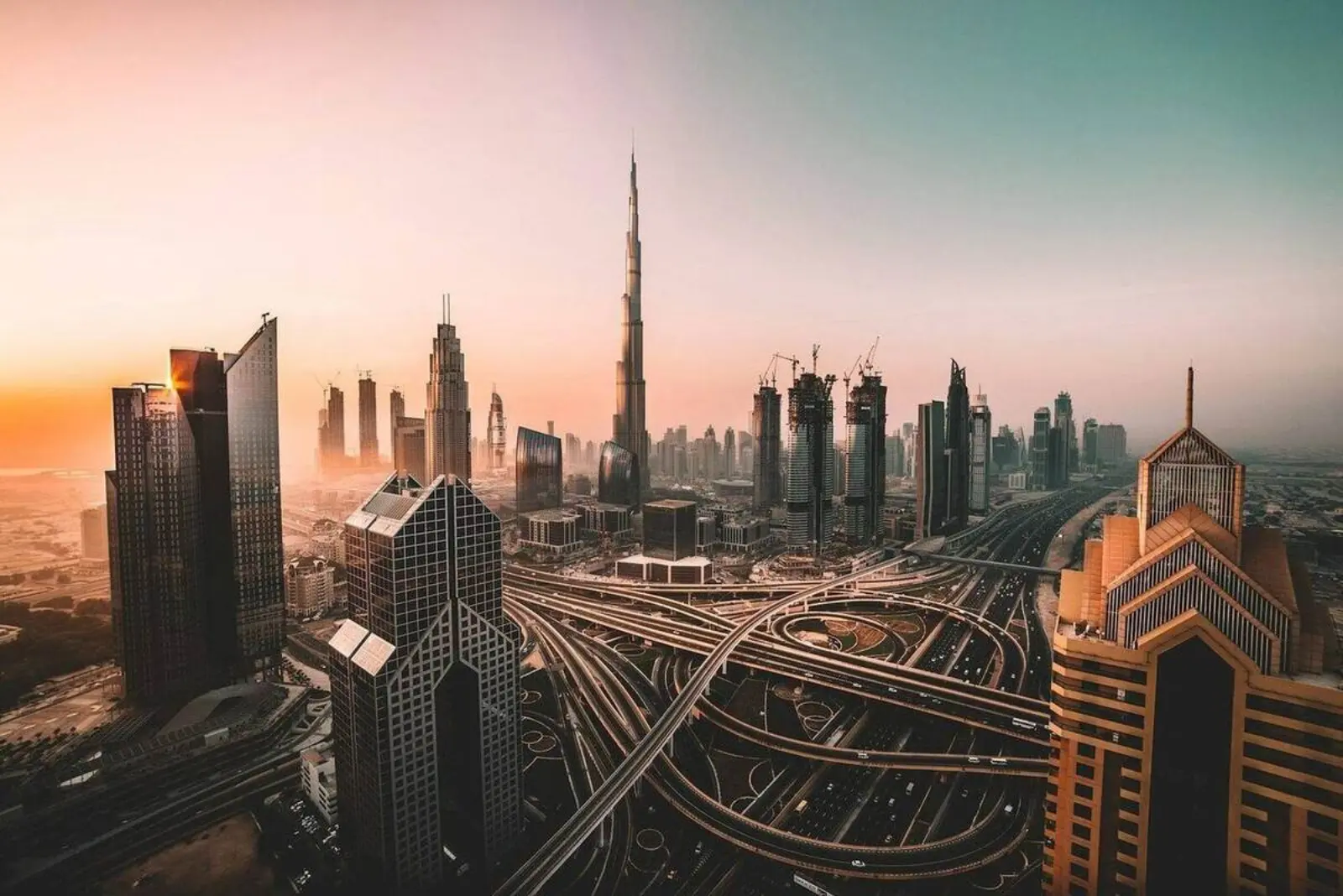
The Emirates matter to that in two distinct ways. They are a market in their own right, Finnish power, marine, water, elevator and automation equipment is installed across the Gulf, and installed equipment generates spares, sensors and controllers on a permanent basis. And they are a hub, which is the part most people underrate: a consignment leaving Helsinki in the evening can be in Dubai overnight and onward to Africa, South Asia or the Far East the following morning, on one continuous chain of custody, without ever entering a warehouse.
The life-science side is the one that surprises people who do not know Finland. Biobanking and population genomics are unusually advanced here, Kuopio has become a genuine gene and cell therapy manufacturing location, Turku carries a pharmaceutical, diagnostics and radiopharmaceutical cluster, and Espoo and Oulu carry the health technology. All of that generates exactly the consignment profile a hand-carry serves: small volume, short stability window, defined temperature, and a chain of custody that somebody may later want to read.
The last factor is geography inside Finland itself. Kuopio to Helsinki is four hundred kilometres, Oulu is six hundred, Rovaniemi is eight hundred. The domestic sector is not a formality on the end of an international journey; on a same-day movement it is often the leg that decides the day, which is why the courier stays with the consignment for it rather than handing it over at Vantaa.