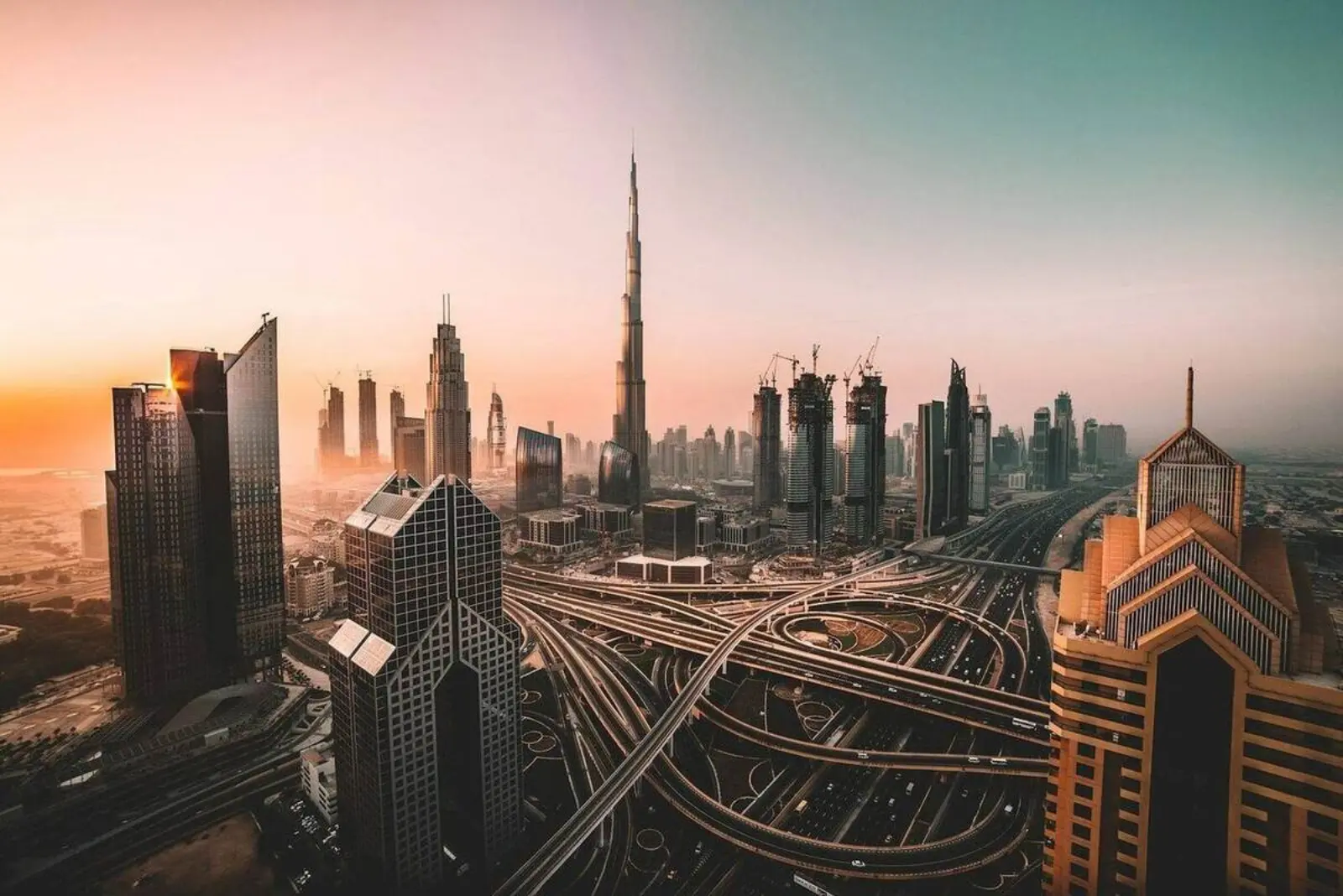
The China, Gulf relationship works in three directions at once and it is worth separating them. There is Chinese manufacturing selling into the Gulf and, through it, into Africa and the wider Middle East. There is Gulf and European engineering selling into Chinese production. And there is Dubai acting as the re-export point where a great deal of Chinese goods change hands before continuing somewhere else entirely.
For a hand-carry, the traffic that matters is the third category's sharp end: the small, urgent, high-value movements that fall out of all this activity. A replacement controller for a German line installed in Suzhou. A golden sample that has to reach a European buyer before a launch decision. A failure-analysis return that stops being useful once the batch has shipped. A sealed original that a Chinese authority will only accept as an original.
What makes this corridor operationally distinctive is the weight of the documentation. Descriptions, classifications, consignee registrations and the match between them matter more here than almost anywhere. A consignment with a vague description and a consignee whose registered details do not match will not be waved through; it will be asked about, and the asking takes days rather than hours.
The other distinctive factor is export control, in both directions. A meaningful share of semiconductor, measurement and materials technology is controlled at origin, and a meaningful share of what China exports is licensed. We check both before we quote, because an urgent movement that cannot lawfully be made is not an urgent movement.