The city’s economy, the road in from the airport, and the delivery culture on the ground, the operational picture behind every quote on this lane.
Port City, Car City, Tile Country
València’s urgent-freight demand rests on three pillars. The port is among the Mediterranean’s principal container gateways, generating shipping-line documentation, ship spares and the customs paperwork that follows any great harbour. Inland at Almussafes, the Ford plant anchors an automotive cluster whose suppliers live with line-stoppage arithmetic, the classic hand-carry customer. And up the coastal corridor towards Castellón lies the heart of Spain’s ceramic tile industry, whose showrooms and exporters move sample boards and finished pieces to construction markets worldwide.
01The city itself adds furniture and design trades, a technology scene growing around the marina district, and the agrifood exports, citrus above all, of its fertile hinterland. Samples, spares and sailing documents: the three arrive at the airport in a steady interleaved stream.
02Trade events at the Feria Valencia exhibition grounds add periodic surges, furniture and ceramics shows in particular, when exhibitors need stand material and samples moved on event timelines rather than freight ones. The events cluster in the calendar, and couriers serving them plan hotels and transport early.
Manises & the Way in from the Gulf
València Airport at Manises sits close to the city’s western edge. There is no Gulf nonstop, so routings run one stop through Madrid or Barcelona on the domestic network, or through a European or Istanbul hub with a direct onward flight. The Madrid option carries a useful fallback: the high-speed train covers the same ground quickly enough to rescue a missed connection.
From Manises, the ring roads distribute a courier efficiently, the centre is a short run, the port and marina district lie across the flat city, and Almussafes is a straightforward motorway leg south past the V-30 port corridor. València is flat, orderly and quick to work; among Spain’s large cities it is one of the kindest to a delivery schedule.
Flat Streets, Port Traffic & Fallas
Day to day, València’s constraints are modest: commuter peaks on the ring roads, heavy vehicle flows on the V-30 serving the port, and summer beach traffic on the coastal edge. The old centre has pedestrianised zones where final approach is on foot, standard hand-carry territory, and the former riverbed park that threads the city keeps crosstown routes legible.
The exception is March. The Fallas festival takes over the city, streets close, monuments rise at intersections, and central deliveries in festival week need routes and handovers planned around a celebration the entire city joins. A courier landing into Fallas unbriefed will lose hours; one who plans for it delivers anyway. The climate otherwise barely registers, beyond rare but intense autumn rains that can briefly overwhelm the roads.
Port operations run around the clock, and so do their emergencies: a vessel document or spare can need moving at hours when the rest of the city sleeps, and the flat, legible road network makes those night runs mercifully simple.
Outbound: Tiles for the Gulf’s Skylines
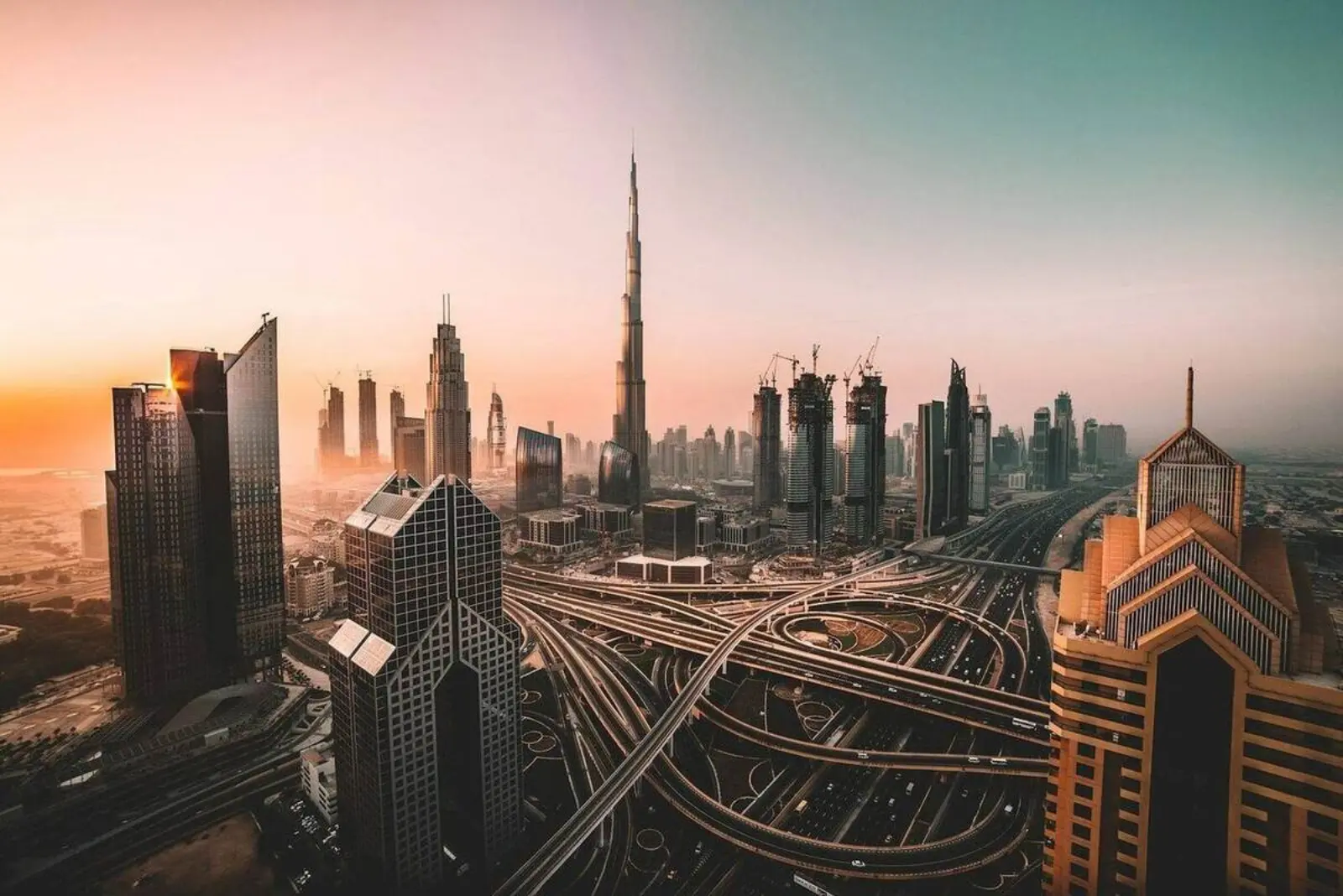
The outbound story writes itself in the Gulf’s construction boom: ceramic and porcelain sample boards from the València, Castellón corridor travel constantly to architects, developers and fit-out contractors in Dubai, Riyadh and Doha, where a specification decision waits on the physical tile. Furniture and lighting houses send pieces and finishes for hospitality projects on the same logic.
Automotive suppliers move parts and validation components both directions when lines are at risk; the port cluster sends marine documents and spares onward; and agrifood exporters sample into Gulf retail ahead of seasons. Bookings come from export managers, project architects’ offices and shipping agencies, buyers whose common denominator is a decision, somewhere east, waiting on an object.