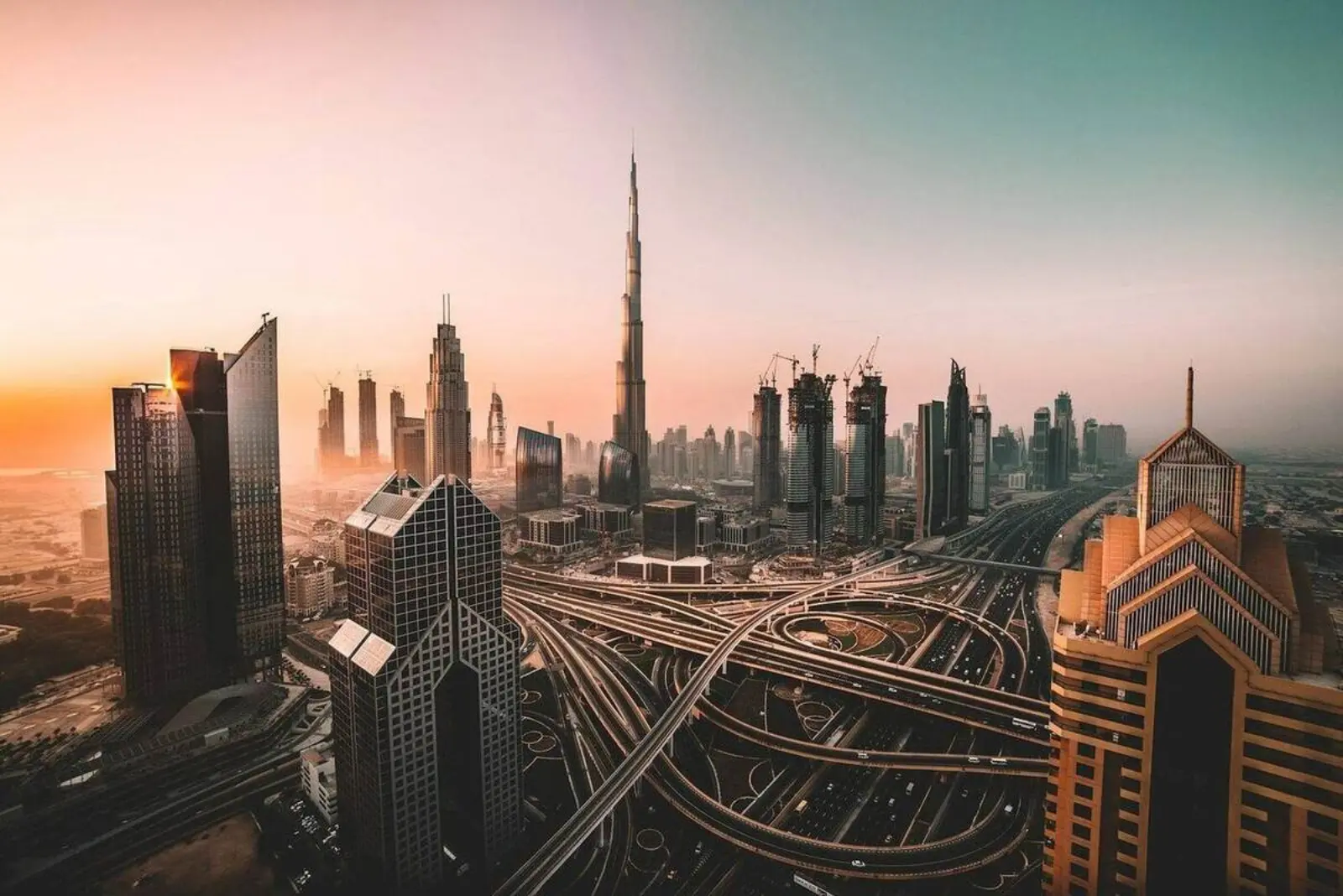
The city’s economy, the road in from the airport, and the delivery culture on the ground, the operational picture behind every quote on this lane.
From textile capital to logistics crossroads
01Łódź built itself in the nineteenth century as one of Europe’s great textile cities, and its red-brick mills still define the streetscape around Piotrkowska and the Manufaktura complex. The modern economy has been rebuilt on the city’s position at the centre of Poland: household-appliance manufacturing, electronics and component plants in and around the local special economic zone, and a fast-growing logistics and e-commerce sector drawn by the junction of the country’s main motorways nearby.
02The city has also become a terminus for rail freight arriving from China, which layers an intercontinental trade dimension onto its local industry. The consignments this economy generates are practical ones: appliance and electronics components needed to keep production lines moving, first-article samples for quality approval, e-commerce product samples ahead of listings, and the film and media equipment that circulates around the city’s celebrated film school and studios.
The Warsaw gateway reality
Łódź has its own airport, Władysław Reymont, but its schedules are thin, and the operational truth is that most Gulf arrivals come through Warsaw Chopin. From Dubai that means a nonstop or one-stop into Warsaw followed by a motorway drive that normally takes well under two hours, frequently faster, door to door, than waiting for a connecting flight that may not exist that day. The Kraków direct link from Dubai is a workable alternative when its timing suits, with a longer onward drive north.
An overnight departure from Dubai therefore has a courier at a Łódź factory gate or office by the following midday in the normal case. Within the city, distances are modest and the grid-planned streets are simple to work; the industrial estates and rail terminal on the outskirts sit close to the ring roads and are reached without crossing the centre at all.
Flat, central and easy to work
Łódź is one of the easier Polish cities for a courier. The terrain is flat, the street plan is legible, and congestion, while real at peak hours, is mild by capital-city standards. The centre’s long axis, Piotrkowska, is largely pedestrianised, so deliveries to offices and hotels along it finish on foot from side streets, a short walk, not a logistical event.
The variables that matter are seasonal and procedural. Winters bring snow and ice that slow the motorway legs from Warsaw, and margins widen accordingly from late autumn. Factory and warehouse deliveries follow gatehouse procedure, registration, a named recipient, sometimes an appointed delivery window, and the big distribution parks around the motorway junctions are vast enough that the precise gate number is worth confirming before arrival.
The pattern of work is factory-first: this is a city where the deadline usually belongs to a production plan rather than a courtroom.
What moves from Łódź toward the Gulf
Outbound consignments track the city’s industries. Appliance and component manufacturers send urgent samples, replacement parts and warranty-return units to customers, suppliers and engineering centres abroad, and where those counterparties sit in the Emirates the consignment travels as a hand-carry. Textile and apparel businesses, heirs to the city’s founding trade, send fabric and garment samples to buyers, including Gulf retail groups working seasonal calendars.
The logistics sector itself generates document flows, customs originals, certificates and commercial paperwork tied to rail and road freight moving through the region. The city’s film and creative industries add occasional equipment and media movements to productions and festivals abroad.
Bookings come chiefly from plant logistics and quality teams, export managers and forwarders, and they cluster late in the day, the hour when a missed cut-off elsewhere turns into a request for a courier on the next flight out of Warsaw.