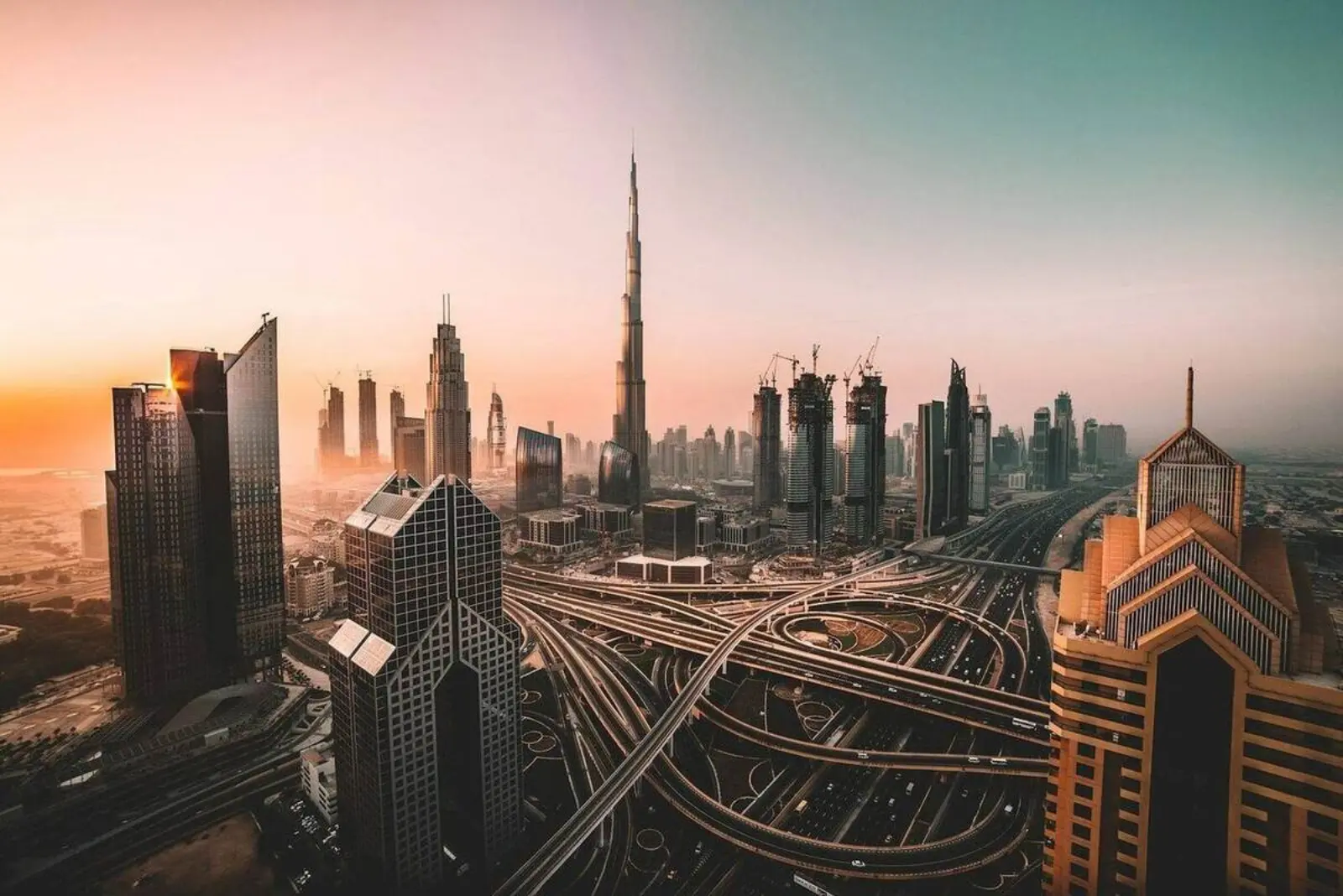
The city’s economy, the road in from the airport, and the delivery culture on the ground, the operational picture behind every quote on this lane.
Mining capital at the foot of the Andes
01Santiago is where Chile’s copper economy does its paperwork. The head offices of the major mining houses, their engineering contractors and the banks that finance them cluster in Las Condes and Providencia, the glass towers around El Golf that locals call Sanhattan. The mines themselves sit far to the north in the Atacama, but tenders are signed, drill data is reviewed and procurement decisions are made in the capital, which means Santiago constantly generates urgent consignments: bid documents against deadline, geological samples for assay abroad, and critical spare parts that must reach a stalled concentrator vithe capital’s air links.
02Around the mining core sits a broad export economy, wine from the Maipo and Casablanca valleys, fresh fruit in season, salmon-industry paperwork from the south, plus a mature financial and legal services sector. Each produces its own hand-carry traffic: vintage samples for Gulf buyers, phytosanitary certificates, notarised corporate documents.
Reaching Santiago from the Gulf
Arturo Merino Benítez International Airport at Pudahuel, west of the city, is Chile’s intercontinental gateway. There is no nonstop link from the Gulf; couriers from Dubai typically route with a single connection, most often through São Paulo or a major European hub, making this one of the longest missions on the network. That length is exactly why a hand-carry earns its keep here, a checked or freighted shipment that misses a connection on this routing can lose a full day, while an escorted consignment stays with its courier through every transfer.
Once landed, the run into town is straightforward: the Costanera Norte expressway follows the Mapocho river directly from the airport side of the city into Providencia and Las Condes. Outside the morning and evening peaks the business district is well under an hour away; in the peaks, allow substantially more.
Working the city: grid, smog and the mountain wall
Santiago is an orderly city to operate in by South American standards. The street grid is legible, the metro is extensive and reliable, and the urban motorways use free-flow electronic tolling, so a driver can cross the metropolitan area without stopping. Motorbike couriers handle most same-day work between the centre, Providencia and Las Condes.
The quirks are seasonal. In winter the Andes trap cold air over the basin and a thermal inversion settles in; heavy smog days slow traffic and occasionally trigger vehicle restrictions, which is worth knowing when a delivery window is tight. Winter rain, though infrequent, can snarl a city built for dry weather. Summer is hot, dry and predictable, the easy season for tight schedules.
Consignments bound for the seaports at Valparaíso or San Antonio involve a motorway run of roughly an hour and a half beyond the city, feasible same-day when a vessel deadline demands it.
What leaves Santiago for the Gulf
Outbound traffic mirrors the inbound. Mining suppliers and EPC contractors send technical files, contract originals and equipment samples toward Gulf-based project offices. Law firms and notaries dispatch apostilled corporate documents for company formations and disputes in the UAE. Wineries send bottle samples ahead of tastings and trade listings in Dubai, where the timing is fixed by an event date rather than by convenience.
The bookers are procurement leads, legal secretaries and export managers, people for whom the alternative is trusting a multi-leg freight itinerary across two hemispheres. Given the distance, the briefing matters more than usual: an accurate description of the consignment and its paperwork before departure prevents the one thing that can undo a two-connection mission, which is a preventable question at a transfer point.